
The Chronicle of Salvatore Ferragamo: Starting as a Artisan Shoemaker to Worldwide Icon
Hardly any names in the style industry carry the significance of craftsmanship in the way Salvatore Ferragamo. What began as the ambition of a young Italian shoemaker expanded into a house synonymous with luxury footwear, leather accessories, and, eventually, one of the most well-known handbag portfolios in the world. These days, when shoppers hunt for a ferragamo bag or explore a ferragamo shop, they are drawing on more than a century of design philosophy built on comfort, form, and craftsmanship. Understanding that history helps explain why a salvatore ferragamo bag still commands attention on catwalks and in retail alike.
The label’s story is not just about shoes, though shoes laid the groundwork. It is about a relentless pursuit of physiological exactness fused with dramatic elegance, a fusion that eventually grew to include bags, accessories, and ready-to-wear. This piece follows that arc, unpacks how the brand’s aesthetic vocabulary evolved, and presents a hands-on look at the bags shoppers favor now, in 2026.
The Formative Years: A Cobbler’s Obsession
Salvatore Ferragamo was born in 1898 in Bonito, a modest town in southern Italy. He crafted his first pair of shoes at age nine, for his sister’s confirmation, and by eleven he had casually apprenticed with a local shoemaker before opening his own small shop at home. This was not a hobby. It was an early, almost fixated fascination with how shoes were built and how they fit the human foot.
At sixteen, Ferragamo emigrated to the United States, settling first in Boston before moving to California. He opened a shop in Santa Barbara and later in Hollywood, repairing and constructing footwear for the booming film industry. This period mattered enormously. Ferragamo explored anatomy at the University of Southern California, convinced that proper shoe design demanded an insight into the human body, especially weight distribution across the foot. That analytical grounding would eventually distinguish the brand from competitors who treated shoemaking as pure aesthetics.
By the 1920s, he was crafting shoes for Hollywood royalty, including stars like Mary Pickford and Greta Garbo. His reputation as the “Shoemaker to the Stars” grew fast, and demand outpaced what a small workshop could supply. This tension between artisanal quality and scaling demand would accompany the brand for ferragamo hug bags decades, even as it grew to encompass leather goods and, in time, the salvatore ferragamo bags collections known worldwide today.
Coming Back to Italy and the Rise of a International House
Back in 1927, Ferragamo made his way back to Italy, settling in Florence, a city already known for expertise in leatherworking and accomplished craftsmen.
In Florence, he set up his company, calling upon longstanding local craft traditions while continuing to innovate.
Access to tanneries and skilled hands in Florence made it possible for him to make footwear of a quality that lived up to his aspirations.
The 1929 market collapse and the ensuing Great Depression dealt the company a heavy blow, forcing bankruptcy in 1933. Instead of pulling back, Ferragamo reorganized and rebuilt the business, proof that his resilience extended beyond design into business acumen. By 1938, he had purchased the Palazzo Spini Feroni in Florence, which remains the company’s headquarters and flagship store today. Housed within that building now is also the Museo Salvatore Ferragamo, underscoring the ongoing importance of heritage to the brand’s identity.
Ferragamo’s inventive achievements during this era were remarkably innovative. The cage heel was patented by him, its wedge counterpart was originated in 1938 by employing cork obtained during wartime supply scarcities, and its nearly transparent nylon-uppered sandal emerged subsequently, securing the Neiman Marcus Award in 1947. These amounted to far more than mere ornamentation. Instead, they were technical solutions arising from the interplay of necessity and inventiveness — a recurring theme that would resurface throughout the company’s history.
Extending the Range Past Shoes: Bags, Accessories, and Ready-to-Wear
Following Salvatore Ferragamo’s death in 1960, his wife Wanda and their six children assumed leadership of the company, guiding it into new categories. At this point its handbag story truly began to take shape. Leather goods, always a natural extension of shoemaking expertise, became a core pillar of the business through the 1960s and 1970s.
Long before now, Ferragamo had used equestrian bit and gate shapes, and from these arose the Gancini emblem—a stylized, double-G-style fastening that grew into the label’s signature closure spanning bags and accessories alike. It still appears on many current designs, lending instant recognizability across a wallet, belt, or handbag strap alike. That ongoing visual thread is part of why customers searching for ferregamo or salvatore ferragamo online soon come to connect the brand with that particular hardware element.
Across the 1990s and 2000s, under creative direction that included names like Massimo Giorgetti and subsequently Paul Andrew, Ferragamo’s bag collections took a solid place among premium handbag discussions next to labels such as Gucci, Prada, and Bottega Veneta. The bag category held steady as one of the most searched and purchased categories, all the more so because digital shopping opened up a ferragamo shop for customers well past Florence or Milan flagship stores, even as the house likewise branched into ready-to-wear, eyewear, fragrance, and menswear.
What Makes a Ferragamo Bag Right Now
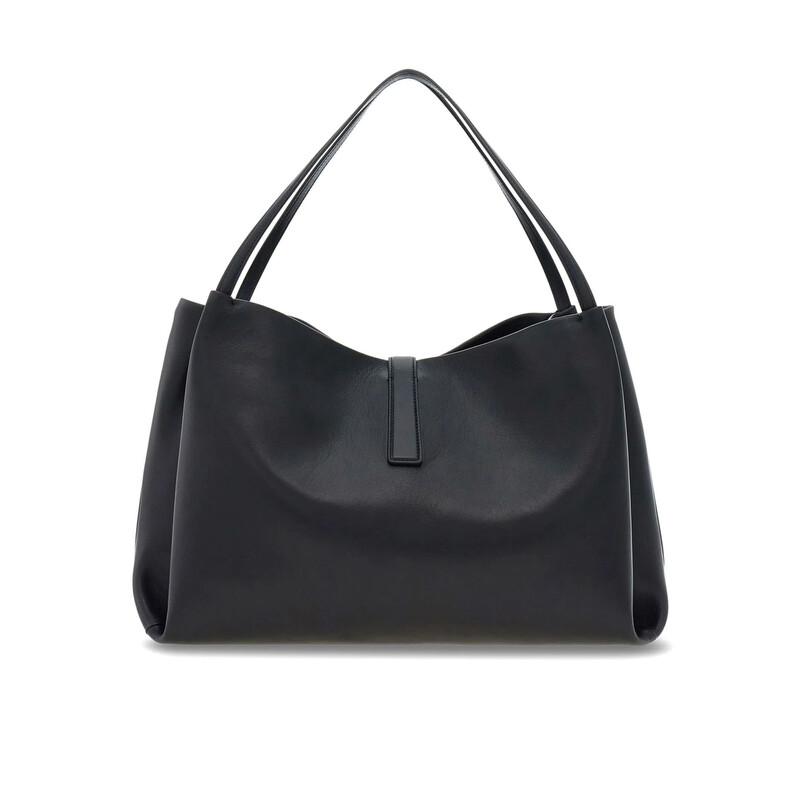
Present-day Ferragamo bags reconcile time-honored design touches with modern silhouettes. The house continues to use Italian leather procured and cured on home soil, a tradition tracing back to Ferragamo’s original Florence workshops. Boxy top-handle constructions, the signature Gancini clasp, and pared-back architectural lines remain defining traits distinguishing a salvatore ferragamo bag from rivals leaning on flashier branding.
Anyone surveying ferragamo bags in 2026 will observe the lineup covers classic top-handle totes, crossbody styles, and evening clutches, every one echoing a distinct dimension of the brand’s design history. Certain styles draw straight from archival shapes of the 1960s and 1970s, updated with revised proportions and hardware finishes fit for present-day taste. Still others favor a pared-back aesthetic, suiting buyers after the heritage link without loud logos.
What the bag is made from also shapes its identity significantly. A mix of calfskin, saffiano-textured leather, and exotic skins have all appeared across various collections through the generations, with quality control remaining tightly linked to the company’s Florence-based production standards. Such consistency largely explains why resale values stay strong for the brand, a consideration discerning handbag shoppers factor into buying choices when comparing luxury houses.
Comparing Popular Ferragamo Bag Types
For shoppers trying to identify the best ferragamo bags or figure out which style fits their lifestyle, setting categories against one another helps illuminate each style’s strong points and common uses. Below is a general comparison of common bag types found across today’s Ferragamo collections.
| Style Category | Hallmark Element | Best Suited For |
|---|---|---|
| Structured Top-Handle Tote | Architectural silhouette featuring Gancini hardware | Work, daily errands, professional settings |
| Cross-Body Style | Adjustable strap with a compact build | Trips away, hands-free daily convenience |
| Evening Clutch | Minimalist shape, refined leather finish | Formal events, evening occasions |
| Shoulder-Carry Bag | Relaxed structure, moderate storage capacity | All-purpose everyday wear, casual-to-dressy pairing |
This sort of side-by-side breakdown is a helpful starting point for anyone assembling a personal shortlist of top ferragamo bags, since everyday demands count for just as much as style preference. Someone who travels often will value different features than a shopper focused mainly on evening wear, even inside the same label.
Why the Legacy Still Resonates in 2026
Nearly a century after Salvatore Ferragamo first opened his Florence workshop, the brand’s enduring pull relies on an uncommon pairing: authentic design innovation paired with rigorous craftsmanship. Scarcely any high-end labels can boast patented heel constructions, star-studded dressing history reaching back to silent-film-era Hollywood, and a family-run continuity spanning generations, all culminating in a single handbag line.
For shoppers browsing a ferragamo shop today, this backstory isn’t merely promotional narrative. It shapes tangible product decisions, from how the leather is sourced to the hardware finishing to silhouette proportioning carried over from archival sketches decades old. Understanding this lineage clarifies why longtime collectors rank certain bags among the best salvatore ferragamo bags, even as newer releases continue drawing first-time luxury buyers pulled in by the brand’s reputation.
Whether a buyer is stacking up a salvatore bag against other labels on the market or merely intrigued regarding the way a humble Italian shoemaker grew a far-reaching enterprise, one constant runs through it all: an almost fanatical focus on craftsmanship, openness to inventive solutions even when resources were scarce, and a refusal to separate function from beauty. Even now, every bag, footwear item, and accessory carrying the Ferragamo name draws its foundation from this ethos, first shaped in a small atelier in Bonito over a century ago.