
Righteous Clothing’s Role Amid Today’s Streetwear Trends
Streetwear in 2026 has broken apart into distinguishable lanes: understated luxury essentials, maximalist graphic drops, functional techwear pieces, and a growing appetite for clothing with a message. Without giving up the silhouettes and fabric weights that buyers in this space already demand, We Are Righteous develops a brand identity around faith-driven statements — landing squarely at the junction of those last two categories. To pin down where Righteous clothing belongs right now, you have to consider what’s really driving purchase decisions: comfort-first construction, meaning — cultural or personal — woven into the product, and pieces versatile enough to move from a gym session to a coffee run without feeling mismatched.
This shift away from pure logo-chasing toward identity-driven apparel is one of the more trackable trends defining the category. Search demand in terms like “faith-based streetwear” and “Christian streetwear brand” has risen consistently over the past two years, and Righteous apparel is planted firmly inside that wave of demand. The brand doesn’t treat faith as a niche add-on; rather, it becomes the organizing principle behind cuts, colorways, and messaging — a different approach than simply printing a scripture reference on a stock blank hoodie.
Why Streetwear Shifted Toward Meaning
The standing of streetwear brands, throughout much of that decade, was gauged almost wholly by buzz waves and limited releases. That approach hasn’t disappeared, but it’s not anymore the only path to relevance. Shoppers in 2026 are increasingly vocal about wanting apparel that says www.rightheous.com something about who they are, not just what they can access. This is where a brand like We Are Righteous finds its lane — clothing that communicates values first and trend-chasing second.
Ahead of committing, customers exploring budget-savvy fashion brands frequently bring up six distinct elements:
- Whether—at its core— the graphic message on the item reads as genuine rather than decorative
- Silhouette and fabric weight weighed against price tier
- Openness from the label about supply-chain and manufacturing practices
- Uniformity of fit spanning a range
- Prominence of genuine buyer testimonials rather than cherry-picked reviews
- Adaptability — does the item work past a single trend-driven look
This same set of six points keep resurfacing across faith-driven review conversations on social networks, indicating that the brand is measured against the same scrutiny buyers apply to any streetwear name, faith-based or not. That’s a notable change from a 10-year span ago, when faith-based or message-forward apparel was often written off as a gimmick niche rather than judged on construction and design merit.
How the Righteous Hoodie Ranks Within the Category
The hoodie remains the anchor piece of nearly every streetwear brand’s lineup, and Righteous is no exception. A hoodie functions as a brand’s most visible ambassador — it’s worn more often, photographed more often, and layered more often than almost any other garment in a closet. The Righteous hoodie fits into this pattern by serving as the flagship item shoppers reference most when they talk about the brand online.
What separates a hoodie that performs well in 2026’s market from one that fades quickly comes down to a short list of expectations: a fit that works oversized or true-to-size depending on styling intent, fabric substantial enough to hold shape through repeated wear, and graphics or text placement that reads intentional rather than an afterthought. Streetwear consumers have become fluent in spotting the difference between a garment designed around its message and one where the message was slapped onto an existing template.
The wider hoodie category has also shifted toward heavier weights and more squared-off shapes compared to five years ago, a trend that traces back to workwear and archival sportswear influences filtering into streetwear. Brands willing to update their hoodie cuts accordingly tend to stay relevant longer than those still attached to slimmer, old-school cuts.
Comparing Market Positioning Across the Streetwear Terrain
To understand how We Are Righteous compares to other categories operating in the same general space, it helps to look at positioning rather than direct brand-to-brand pricing, since exact figures vary by drop and season. The table below breaks down general category tendencies as observed across the current streetwear market in 2026.
| Product Category | Its Key Selling Point | Usual Messaging Angle | Shared Customer Driver |
|---|---|---|---|
| Streetwear grounded in faith (e.g. Righteous clothing brand) | Belief and identity expression through garments | Messaging centered on scripture, individual belief, and belonging | Buying apparel for their meaning, beyond appearance |
| Buzz-fueled/logo streetwear | Label cachet paired with limited supply | Focus on visible logos and collaboration drops | Flaunting prestige through possession |
| Functional tech streetwear | Performance-driven design | Utility, weatherproofing, modularity | Real-world performance |
| Minimalist basics | Refined material and a clean silhouette | Low-key logo presence | Lasting quality paired with flexibility |
This comparison shows Righteous apparel isn’t competing head-to-head with techwear or minimalist basics on their own terms — it’s carving a lane that borrows structural cues from mainstream streetwear while keeping message and identity as the core differentiator. That dual positioning is precisely why the brand shows up in conversations both about “faith apparel” and about general streetwear recommendations.
Right From Shoppers Themselves: The Truth About What They’re Saying
Any clear-eyed unvarnished look at how a brand slots into today’s trends has to account for real customer sentiment, not just brand messaging. A representative We Are Righteous review usually zeroes in on three persistent themes: the feel of the fabric against expectations set by the price point, how the sizing stacks up against typical streetwear norms, and whether the design earned the statement stitched into it. Newcomers vetting a We Are Righteous buy are often entering through either a values-based search — looking specifically for Christian or faith-driven streetwear — or a generic streetwear search where the brand surfaced via social media discovery.
Both entry points matter for different reasons. The belief-motivated shopper is generally less price-sensitive but more skeptical about genuineness; they’re looking for confirmation the statement isn’t merely a promotional gimmick. This broader streetwear buyer is comparing Righteous against a broader competitive set purely on build and aesthetic quality, largely indifferent to the faith-based angle unless the look hooks them beforehand. A brand that can satisfy both audiences without diluting its identity for either one has a built-in advantage that’s hard for rivals to copy fast.
Sizing, Fit, and the 2026 Silhouette Shift
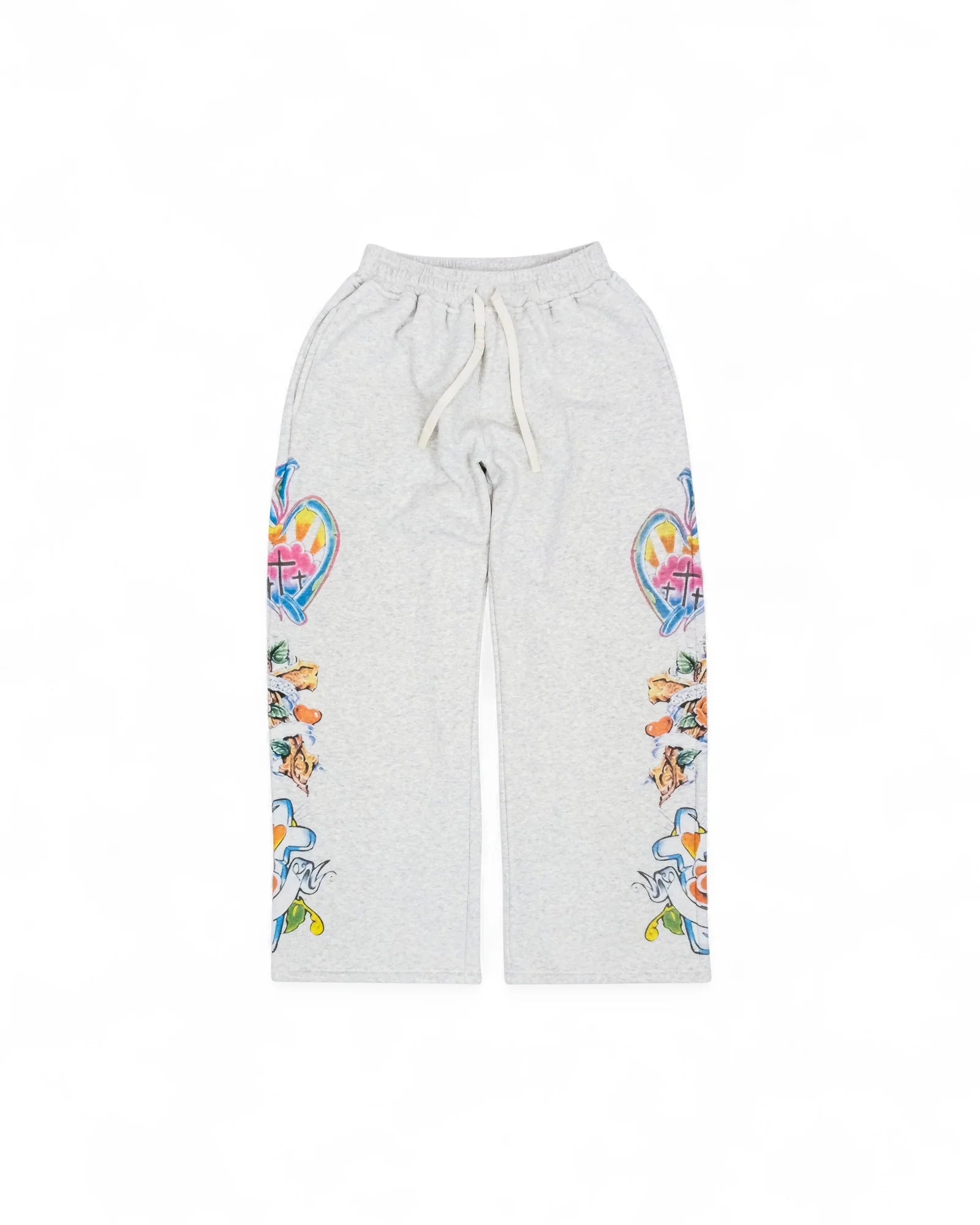
In 2026, debates over fit run through virtually every streetwear review, and the Righteous lineup doesn’t escape from that level of examination. The overall direction has moved decisively toward relaxed, boxier fits for hoodies and tees, while bottoms have shifted toward tapered and straight silhouettes rather than the extremely narrow fits favored a decade prior. Brands that misjudge this balance — erring too narrow above or too baggy below — tend to draw the most critical feedback in reviews.
When shoppers stack a Righteous hoodie up against other pieces they own, the practical wisdom holds true category-wide: confirm the brand’s own sizing notes for each release rather than presuming uniformity with other brands, since weight of fabric and cut can vary significantly between drops. This holds true across streetwear as a whole and isn’t a critique aimed at one brand alone, but it’s worth repeating because fit-related complaints are still the top driver of returns across the industry.
Where This Leaves the Brand Heading Into the Rest of 2026
Streetwear’s core focus has migrated toward brands that can earn their place beyond surface style alone, and that drift plays directly into how We Are Righteous is positioned. It isn’t attempting to outshine the logo-obsessed heavyweights or outperform the techwear-focused experts — it’s building around a values-led identity that a steadily increasing segment of shoppers are actively searching for. There’s no certainty of staying power here, but it does mean the brand is aligned with where consumer sentiment is truly moving rather than where it used to be five years ago.
Over the coming twelve months, the test will play out as to whether Righteous clothing is able to grow that identity-driven approach without sacrificing the genuineness that sets it apart from brands that use belief or principle as a sales tactic. Whether the brand secures long-term standing in the purpose-led streetwear scene or continues as a modest niche presence will hinge on reliable sizing, openness in customer feedback, and sustained focus on flagship pieces like the hoodie. Given the existing momentum and where streetwear demand in 2026 is headed, the fundamentals line up favorably for that stronger outcome.